

Be the answer AI gives when buyers ask.
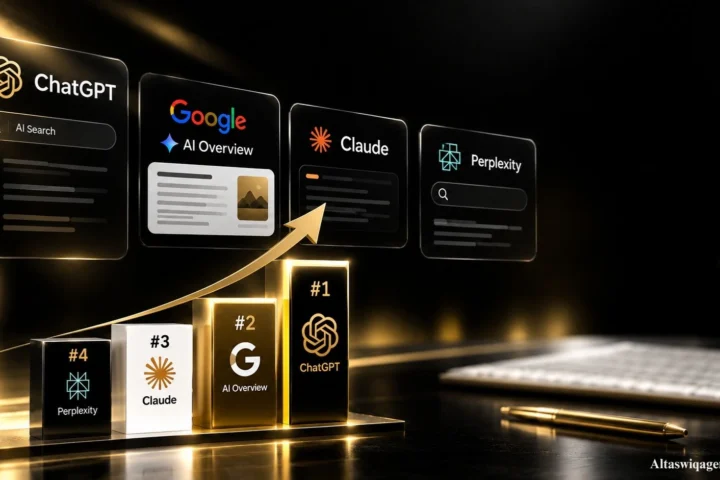
When customers ask ChatGPT, Claude, Perplexity, or Google's AI Overviews who to hire, the engines answer with a shortlist. AI Search Ranking makes sure you're on it — with the citations, structure, and authority signals AI engines trust.
 Claude
 ChatGPT
 Perplexity
 Google AI Overviews
 Hind, your project manager: "Perplexity started citing your pricing guide — 3 new questions won this week."
Four engines decide who gets recommended.
Each one gathers evidence differently — so we optimise for each one deliberately, not with a single generic checklist.
Search didn't die. It moved.
For twenty years, being found meant ranking on a results page. In 2026, a growing share of buying decisions starts as a conversation: "Which clinic should I book?" "Who's the best property agency in India?" The engine doesn't return ten blue links — it returns an answer, usually naming two or three businesses. If you're not one of them, the buyer never learns you exist.
This discipline goes by AEO (Answer Engine Optimisation) or GEO (Generative Engine Optimisation). The name matters less than the shift: you are no longer optimising pages for a crawler. You are building the evidence an AI model weighs when it decides who to recommend.
How you earn the recommendation.
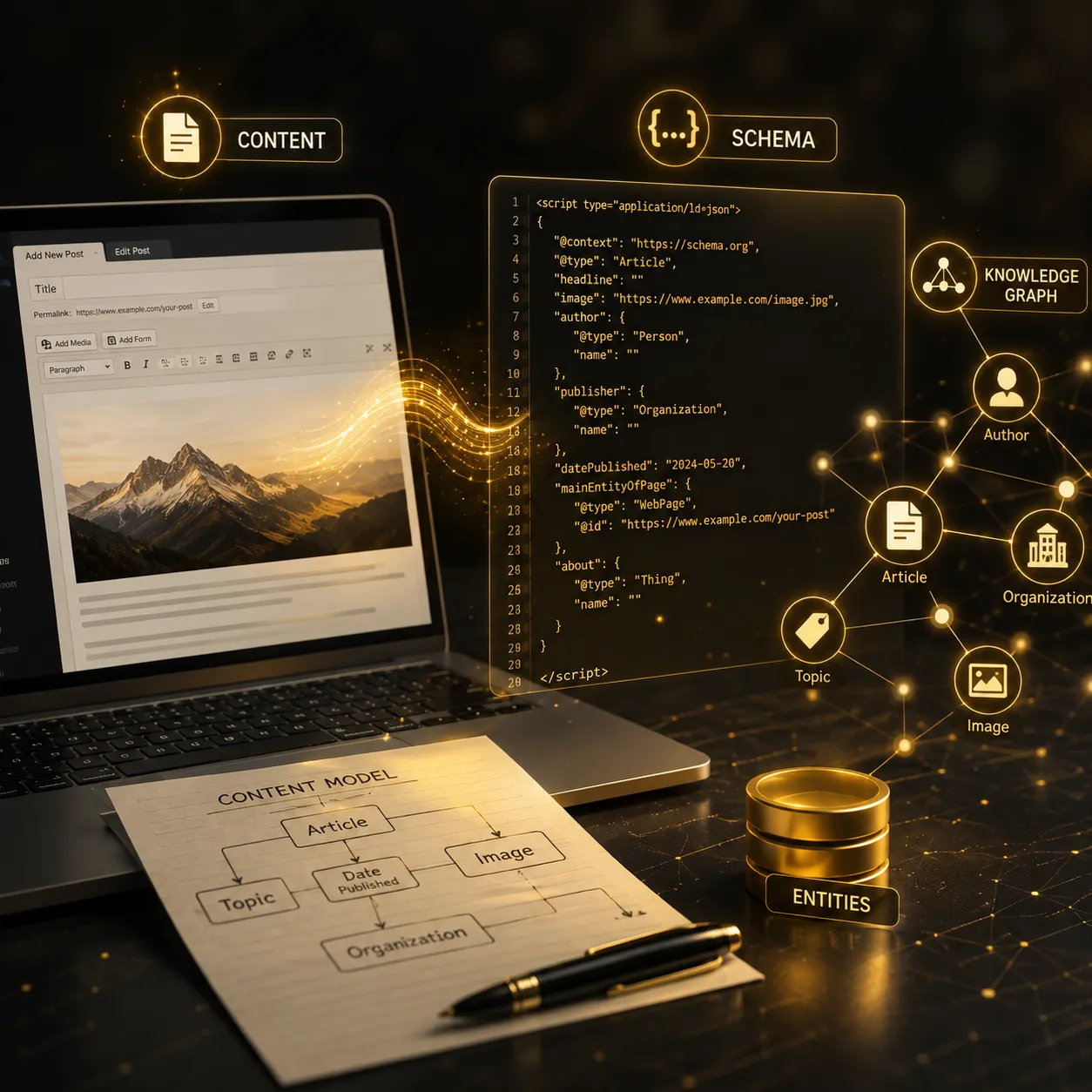
AI engines triangulate. They read your site's structure and schema to understand what you are. They scan trusted publications, directories, and reviews to see whether others vouch for you. And they favour sources that answer questions directly, with original data and verifiable facts. We engineer all three layers — entity, authority, and content — then track how often each platform actually names you.
There's a first-mover advantage here: AI answers consolidate around brands that get cited early, and every month a competitor holds that spot, it hardens. The businesses winning AI recommendations in 2026 will be very hard to displace in 2027.
What's included
Real client results
All case studies →Rated where it can't be faked.
Clients on camera — real websites, real numbers.
AEO and GEO, explained — and how we win it for you.

The new front page of the internet
When a buyer asks ChatGPT "which agency should I hire?" or Google's AI Overview answers "best dental clinic in Jumeirah", the response is a shortlist of two or three names with reasons. There is no page two. Answer Engine Optimisation (AEO) and Generative Engine Optimisation (GEO) are the disciplines of earning a place on that shortlist — and they reward different work than classic SEO ever did.
How engines choose who to name
AI models triangulate evidence from three layers: structured facts about your business (entity data and schema), third-party validation (citations in publications, directories, and review platforms), and quotable content that answers buyer questions directly. Weak signals in any one layer and the engine names someone else. Our programme engineers all three at once, because that's how the models actually weigh them.
Content models want to cite
AI engines quote sources that commit: original data, honest comparisons, clear pricing guidance, expert answers with named authors. We build these assets around the exact questions your buyers ask — then promote them until they're referenced by the publications engines already trust. One strong citable asset routinely wins more AI visibility than a year of generic blogging.
Entity and schema engineering
Machines can't recommend what they can't parse. We standardise your business identity everywhere it appears — name, services, locations, credentials — and mark it up with schema so every engine reads the same facts about you. This unglamorous layer is where most AI-visibility failures begin, and where the fastest wins usually hide; it's always the first thing we fix.
Share of answer: the new rank tracking
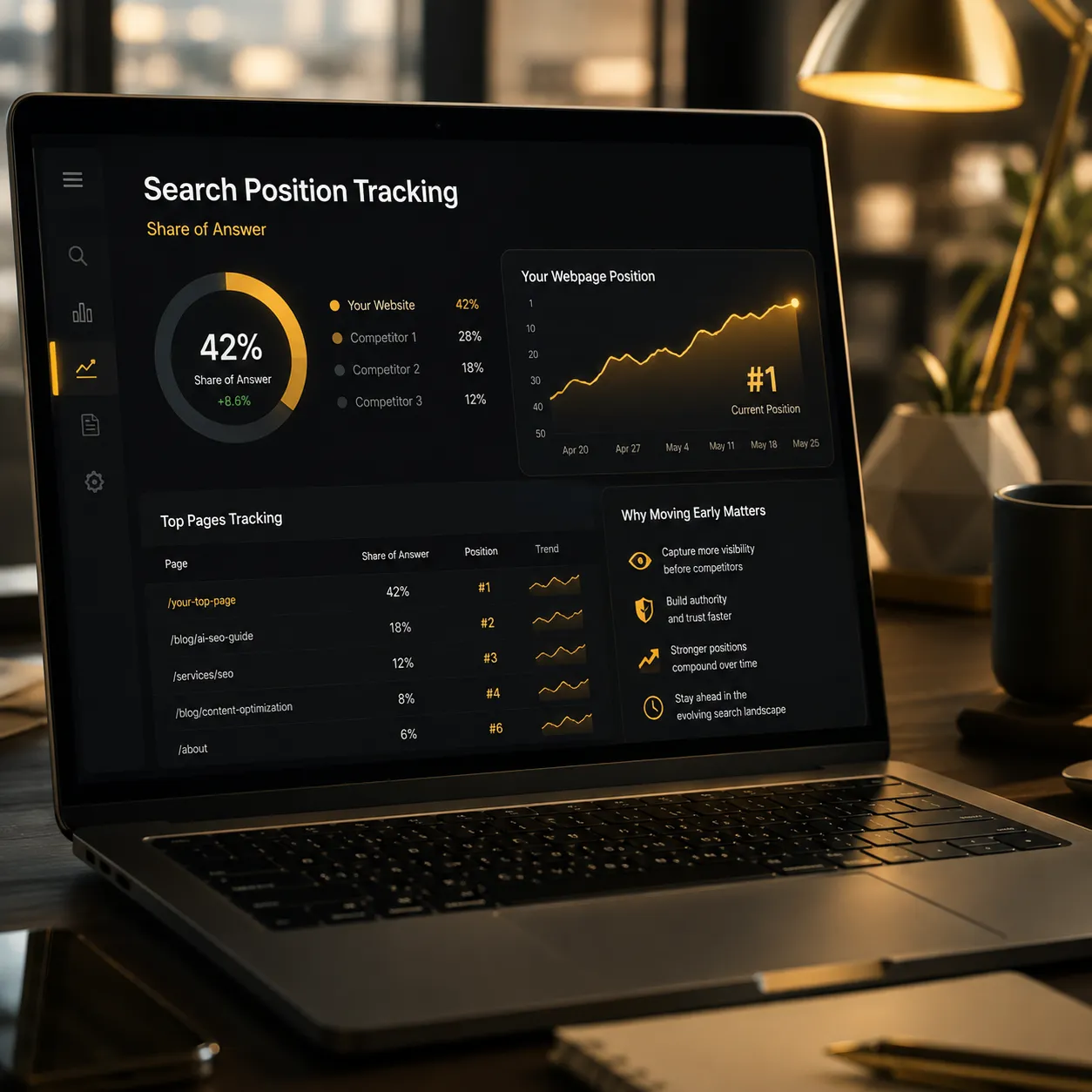
Every month we run 100+ real buyer questions through Claude, ChatGPT, Perplexity, and Google AI Overviews, logging every brand named and every source cited. Your dashboard shows your share of answer per platform, your movement against competitors, and which assets earned each citation — the AI-era equivalent of a keyword ranking report, and the proof that this work pays.
Why moving early matters
AI answers consolidate. Once engines settle on the brands they trust for a topic, those citations reinforce themselves — the recommended get referenced, and the referenced get recommended. Businesses building their evidence base now are compounding an advantage that will be expensive to take from them later. The free AI visibility audit shows exactly who the engines name in your market today — and what it will take to make it you.
Questions about ranking in AI search
What business owners ask us about AEO, GEO, and getting recommended by AI.
Still have questions? Talk to us →